
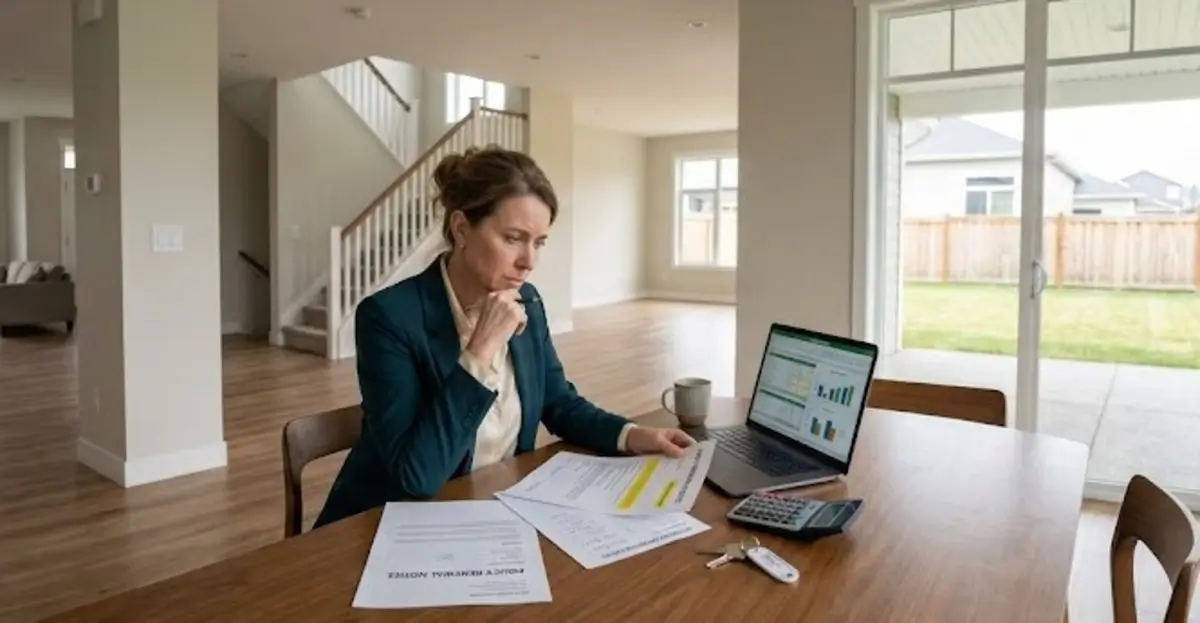
A renewal notice rarely feels alarming until the number lands differently than expected, and that's exactly the moment several Long Island owners have hit this season. We've seen this same slow accumulation play out before in problems caught weeks too late, and insurance costs have quietly followed the same trajectory for longer than most owners realized.
What's worth checking right now is whether rent on a given property has grown at the same rate as its insurance bill. For a lot of owners across Suffolk County, those two lines have drifted apart more than expected.
Key Takeaways
- Home insurance premiums have climbed sharply nationwide since 2020, and Long Island rentals share fully in that trend.
- Waiting too long to adjust rent after a premium increase widens the income gap every month it continues.
- Comparing carriers and coverage terms separates a market-wide shift from something an owner can actually influence.
- Clear communication with tenants makes a rent adjustment far easier for them to accept.
- A full review of expenses, not just the premium line, shows where a rental's real return currently stands.
What's Driving Premiums Up This Renewal Cycle
Every renewal reflects what it would cost to rebuild a property today, and that figure has climbed well past where it sat before 2020. Materials, skilled labor, and permitting timelines have all gotten pricier, and carriers build that math into premiums whether or not an owner has ever filed a claim.
A handful of cost drivers show up on nearly every renewal notice across the Island:
- Roofing materials and contractor labor priced far above pre-2020 rates
- Plumbing and electrical components tied to ongoing supply costs
- Appliance and fixture repairs tracking general inflation closely
None of these increases trace back to one carrier or one town, which makes them tough to argue down during a renewal call. Owners who've read spotting trouble before it grows often notice these same cost pressures reflected in their policy renewals months later.
Older Coastal Housing Carries a Heavier Load
Much of the rental housing across Nassau and Suffolk counties predates the newer construction going up in developing areas, and insurers treat a home's age and proximity to the coast as its own distinct risk factor. A property built decades ago near the shoreline can absorb a far steeper increase than a comparable inland new build, even when both have been kept in equally good condition.
A Real Example From a Long Island Rental
An investor managing a single-family rental near Babylon kept rent unchanged for three straight years. Her premium climbed nearly 19 percent in that window, driven largely by the home's age and coastal exposure, and her cash flow had thinned out noticeably before she caught it on paper. A modest rent adjustment, paired with a letter explaining the reasoning, protected her margin without losing a tenant she valued.
Regional Weather Risk Compared to an Owner's Own Claims History
Carriers no longer price a policy around one property's claims record alone. They weigh storm frequency, coastal flood risk, and freeze-related pipe failures across an entire region, and the Island has had its share of all three over recent hurricane and winter seasons. National data shows home insurers have raised rates by 46.8 percent between 2020 and 2025, a trend that's landed on local owners the same way it's landed nationwide.
A few regional factors carry particular weight on local policies:
- Coastal storm and hurricane exposure across Long Island
- Winter storm risk modeled at a regional level rather than property by property
- Freeze cycles that stress aging plumbing in older housing stock
Small Maintenance Issues Compound Faster Than Expected
Three or four of the same repair within a year rarely feels urgent on its own, but these smaller issues add up steadily. We've worked with owners genuinely puzzled about weaker numbers even though rent hadn't moved, and the answer usually traces back to several smaller costs stacking together, with insurance ranking near the top.
Can You Raise Rent Without Losing a Reliable Tenant
Yes, though timing and framing both matter more than they once did. Every month a rent adjustment gets delayed after a premium hike is a month the gap between real costs and actual income grows wider. The Long Island rental market moves quickly now, a shift we examined in the new pace of renting, and pricing decisions that once could wait an entire lease cycle need far more frequent attention. A tenant who already trusts the condition and presentation of their rental tends to respond better to a rent increase than one who feels caught off guard.
Setting the Right Rent Number Instead of Guessing
Pricing a rent increase off instinct carries real risk in a market where insurance, taxes, and maintenance costs move together constantly. A recent industry report found that insurers raised premiums in 95 percent of the country between 2021 and 2024, often with no connection to an individual owner's claims record. A sound rent number typically comes down to three checks:
- Comparable rents in the specific Long Island neighborhood
- Actual current expenses, including the new premium
- How quickly similar units are leasing right now
Requesting a free rental analysis gives owners real local data instead of a guess, which matters most when a single premium increase could otherwise consume an entire year's margin. Properties that present well also lease faster, something we broke down in the five-second test.
Weighing the Insurance Line Against the Full Financial Picture
Insurance is one piece of a much larger financial picture, and leasing strategy matters just as much. We review maintenance costs, vacancy risk, and tax obligations alongside every premium change, and owners can browse our full owner resource library to see whether current rent still supports the return they're expecting. Pairing dependable maintenance coordination with regular financial check-ins keeps small cost increases from compounding into a larger problem later.
FAQs about Insurance-Driven Rent Changes on Long Island, NY
Does a property's distance from the shoreline meaningfully change its premium?
Yes, significantly. Insurers typically price coastal exposure in tiers, so even moving a few blocks inland can noticeably lower storm surge and flood-related premium costs for a rental property.
Will my premium drop if I replace old galvanized plumbing?
Often, yes. Outdated plumbing materials carry higher leak risk, so insurers sometimes offer favorable pricing once a property has been updated with modern piping and documentation provided.
Can joining a community association's master policy lower individual costs?
Sometimes. If a homeowners association carries a master policy covering shared structures, individual unit owners may need less coverage, which can reduce their personal premium slightly.
Should seasonal or second-home rentals carry different coverage than full-time rentals?
Yes, typically. Properties occupied only part of the year often need vacancy riders or seasonal dwelling policies, since standard landlord coverage may limit claims during extended vacancy periods.
Does wind mitigation documentation help lower premiums in storm-prone areas?
It can. Proof of reinforced roofing, storm shutters, or impact-resistant windows sometimes qualifies a property for a wind mitigation discount, depending on the specific insurer's underwriting guidelines.
Putting Both Numbers on the Same Page
Owners who only glance at rent during a lease renewal often miss what's happening on the insurance side until a full year has passed. Reviewing both figures together, even briefly, turns a reactive scramble into a quick annual habit that protects margin before it erodes. PMI Gold Coast Properties helps Long Island owners, landlords, and investors build that habit with real numbers behind it, and you can walk through your current accounting setup to see exactly where things stand.