
A repair call here and there is part of owning rental property. A repair call on the same system every few months is a different story entirely. Owners who read the bad year equation closely already know that small, overlooked patterns tend to compound quietly until they show up as a much bigger loss on paper.
Long Island's rental market includes plenty of properties built decades ago, and those older homes tend to show a familiar pattern: plumbing, HVAC, or roofing issues that resurface every few months instead of holding steady for years. Catching that pattern early gives owners room to plan instead of react.
Key Takeaways
- Repairs that repeat on the same system usually reflect age, not misuse.
- A repair history reviewed regularly reveals which systems need attention soon.
- Replacing a system ahead of failure typically costs less than repeated emergency repairs.
- Ignored repair patterns can quietly chip away at a rental's profitability.
- Clear maintenance records make capital improvement decisions faster and easier to justify.
Telling Bad Luck Apart From a Real Pattern
One repair rarely means much on its own. Components fail occasionally even in well-maintained homes. The concern starts when the same issue shows up two or three times within a short stretch.
A few systems tend to show this pattern more than others:
- Plumbing lines in homes built before the 1980s
- HVAC units that have passed the 12-to 15-year mark
- Roofing that has weathered several rounds of coastal storms
- Windows and door seals that have started to fail
When any of these categories generate repeat service calls, the underlying material has usually reached a point where another patch job won't solve the actual problem.
Why Long Island's Housing Age Plays a Role
According to the U.S. Census Bureau's American Housing Survey, the median age of owner-occupied homes nationwide is 41 years old. A large share of Long Island's housing stock falls close to or beyond that range, which raises the odds that at least one major system will need more than routine attention in the coming years.
What's Happening Behind the Walls
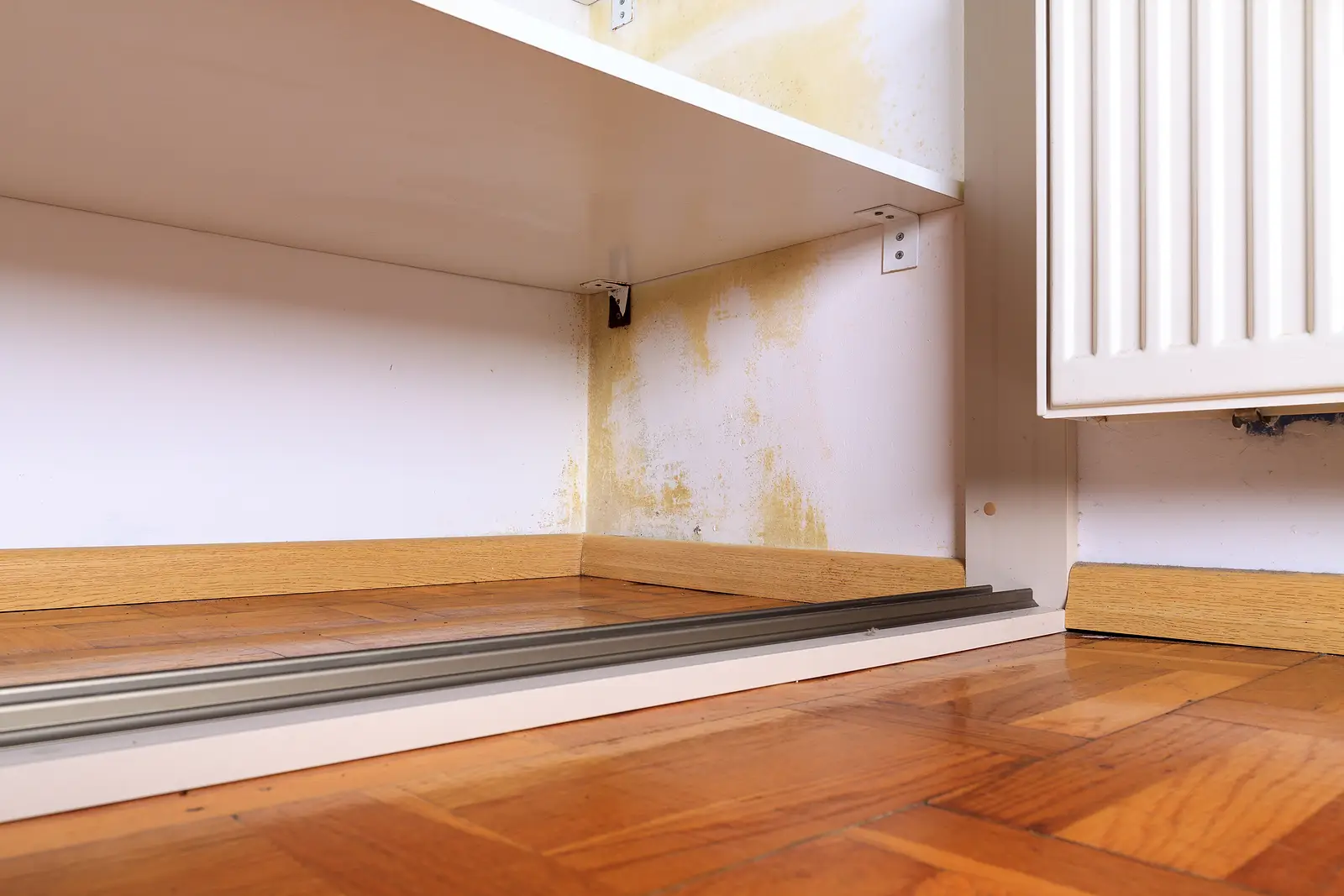
Damage rarely shows up the moment it starts. A ceiling stain might reflect months of a slow leak working through insulation. A breaker that trips now and then might be an early sign of wiring that's deteriorating out of sight.
This is one reason owners often ask whether property managers cover the cost of repairs, since understanding who's responsible for what makes it easier to act quickly once a pattern starts showing up rather than waiting until a tenant escalates the complaint.
Choosing Between Another Repair and a Full Replacement
Every owner eventually reaches the same fork in the road: keep repairing an aging system or replace it before it fails outright. There's no universal formula, but a few signals tend to point clearly toward replacement.
Signals Worth Watching For
- The system has needed repairs more than twice in the past year
- Each repair costs more than the last one
- Emergency calls are becoming routine instead of rare
- Related damage keeps showing up nearby, like warped flooring or mold
Homeowners nationwide spent an estimated $503 billion in 2024 on remodeling and repair projects, according to the Joint Center for Housing Studies of Harvard University, a clear sign of how much upkeep aging housing stock requires across the country.
Using Your Repair Log as a Financial Tool
Most owners treat a repair log as a simple record of what broke and when. Used properly, it's actually one of the more valuable financial planning tools available for managing a rental long term.
Reviewing that history regularly can surface patterns that are easy to miss in the moment, like HVAC repairs clustering every summer or the same appliance failing repeatedly despite multiple fixes. Owners who skip this review are often the ones caught off guard by a large, unplanned expense.
Prioritizing What Gets Fixed First
Once a pattern becomes clear, the next challenge is deciding what to tackle first. A few factors help with that ranking:
- Compare total repair costs against the cost of full replacement
- Estimate how many years of service life likely remain
- Weigh how much the issue disrupts tenants' day-to-day lives
- Build the improvement into your existing budget rather than treating it as a surprise
Owners tired of tracking down available contractors can also benefit from smarter solutions for streamlining repairs that keep vendor coordination organized from the start.
Building Consistent, Proactive Habits
Waiting for a system to fail completely almost always costs more than replacing it on a planned schedule. Proactive maintenance means checking systems before they show obvious signs of failure, not just responding once something breaks.
For Long Island properties, this often includes seasonal HVAC servicing, periodic plumbing checks, and roof evaluations timed around coastal weather patterns. Owners who build this kind of routine tend to see fewer emergency repairs and steadier costs overall. Clear communication also matters here, and online portals for owners and tenants make it easier to log issues the moment they appear instead of letting them sit unreported.
How PMI Gold Coast Properties Supports Long Island Owners
Recurring repairs deserve more than a quick fix every time something breaks. They deserve someone tracking the pattern over time and flagging it before it turns into a larger expense. At PMI Gold Coast Properties, we document every service call, coordinate reliable vendors, and give owners across Long Island a clearer view of what their maintenance history is actually telling them. For owners who split time between homes, our home watch services add another layer of oversight when a property sits unattended for extended periods.
FAQs about Aging Property Systems in Long Island, NY
Can weather exposure on Long Island speed up how quickly certain systems age?
Yes. Coastal humidity, salt air, and seasonal storms accelerate wear on roofing, siding, and exterior fixtures faster than in inland areas. Properties closer to the shoreline often need more frequent inspections to catch early deterioration.
Should I replace a system proactively even if I'm planning to sell the property soon?
It depends on your timeline. If a sale is more than a year away, addressing aging systems now can prevent inspection issues later. For an imminent sale, a professional opinion helps weigh cost against expected return.
How do I know if a contractor is recommending replacement just to increase the job size?
Ask for a clear breakdown of repair versus replacement costs and get a second opinion if something feels off. A trustworthy contractor will explain their reasoning and show you the data behind the recommendation.
Can I finance a major system replacement instead of paying the full cost upfront?
Many contractors and lenders offer financing options for large replacements like roofing or HVAC systems. Comparing financing terms against your rental income helps determine whether spreading the cost makes sense for your situation.
Does replacing an aging system typically affect how quickly I can re-rent a vacant unit?
It can help. Updated systems reduce the chance of last-minute issues during move-in and often make a listing more appealing to prospective tenants who want assurance that the property has been well maintained.
Reading the Signs Before They Cost You
Most Long Island owners only think about their HVAC unit or roof when something breaks. The ones who come out ahead financially think about them constantly, tracking small issues long before they turn into five-figure problems. That shift in mindset is really what separates a well-run rental from one that keeps draining cash.
PMI Gold Coast Properties gives you the visibility to make that shift yourself. Reach out for maintenance support and put a plan in place before your next repair call arrives.